Chromium is a trace mineral, which means your body needs only tiny amounts of it, measured in micrograms. Even so, it plays a part in how you use the food you eat.
Two very different forms
The chromium in food and supplements is trivalent chromium (chromium III). It's completely different from hexavalent chromium (chromium VI), a toxic industrial by-product. When you see chromium on a supplement label, it's always the trivalent form.
What chromium does
According to the U.S. Office of Dietary Supplements, chromium appears to play a role in carbohydrate, fat and protein metabolism by enhancing the action of insulin. In the European Union, chromium is one of the nutrients with authorised health claims: it contributes to normal macronutrient metabolism and to the maintenance of normal blood glucose levels.
How much do you need?
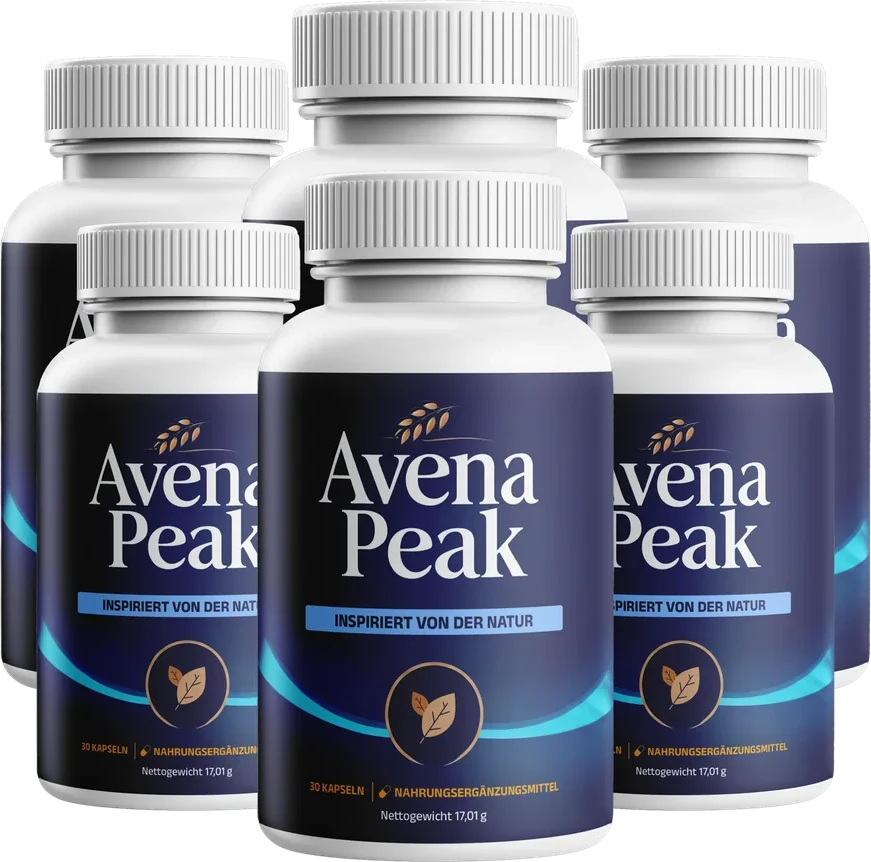
U.S. adequate intakes for adults range from about 20 to 35 micrograms a day depending on age and sex. In the EU, the nutrient reference value (NRV) used on labels is 40 micrograms. That's why AvenaPeak's 100 µg of chromium appears as 250% NRV on its label.
Food sources
- Broccoli and green beans
- Whole grains
- Meat and poultry
- Some fruits and grape juice
- Brewer's yeast
Keeping expectations realistic
Chromium is often marketed for weight loss, but the Office of Dietary Supplements reports that studies show only minimal effects on body weight. Its value lies in supporting normal metabolism, not in dramatic results. People with diabetes should talk to their doctor before taking chromium, because it can affect blood glucose. The AvenaPeak label says the same.
Read more about the macronutrient metabolism focus area or see how AvenaPeak works.